
Anxiety disorders are the most common mental health condition in the United States, affecting roughly 14 million men and women over 18. The majority of people who struggle with anxiety suffer from moderate or mild generalized anxiety, though many other varieties — including social anxiety and panic disorder. Most people experience a touch of anxiety on occasion, usually based on their current circumstances.

However, once the circumstance or situation resolves, the anxiety subsides, continuing with their day-to-day life. Unfortunately, for people struggling with a diagnosable anxiety disorder, this panicked feeling never goes away, and over time it becomes entirely crippling. Therefore, if a person is diagnosed with any type of anxiety disorder, they are often treated with a combination of intensive psychotherapy and anti-anxiety medication.
Anti-Anxiety Medications
Also known as benzodiazepines, include brand-name drugs like Xanax, Klonopin, and Valium. Because these drugs can be extremely habit-forming when taken for an extended period. They are generally only prescribed to be taken short-term, like at the onset of a panic attack. But which anxiety medication is the strongest, and which is the most commonly abused?
The Strongest Anxiety Medications
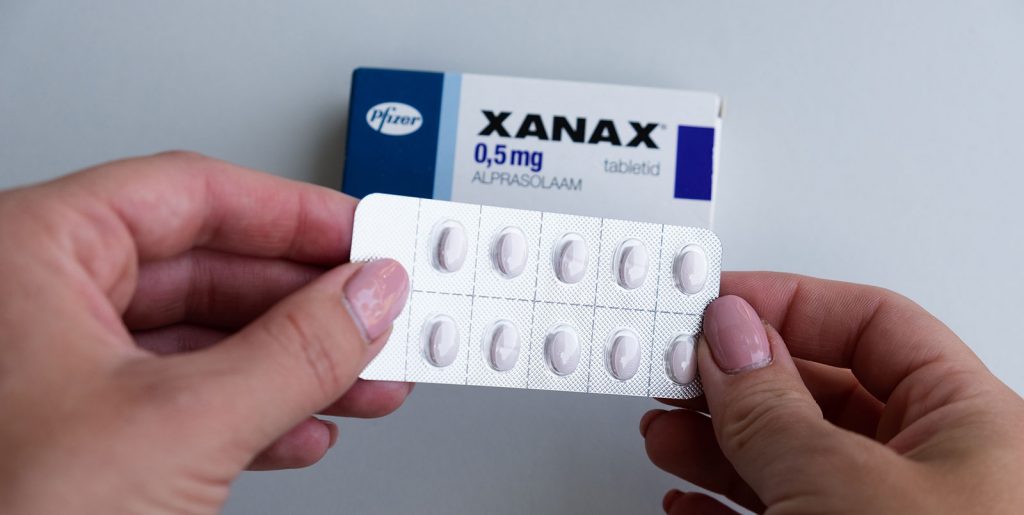
The strongest type of anxiety medication currently available is benzodiazepines, more specifically Xanax. It is important to note that benzodiazepines are not the only medication used to treat anxiety; however, they are the most potent and habit-forming. Other types of medication commonly used to treat anxiety include:
- Beta-blockers.
- Antidepressants.
- Tricyclic antidepressants.
- Selective serotonin reuptake inhibitors.
- Serotonin-norepinephrine reuptake inhibitors.
- Anticonvulsant medications.
- Mild tranquilizers.
There is no over-the-counter medication that effectively treats anxiety attacks. Sedating antihistamines like diphenhydramine (the ingredient in many nighttime pain relievers) may cause drowsiness, but they do not address anxiety and can cause impaired thinking, dizziness, and other side effects. Self-medicating an anxiety disorder is never recommended. If anxiety is interfering with your life, the effective options are evidence-based therapy and, where appropriate, medication prescribed and monitored by a doctor.
Dual Diagnosis Disorders
Many people who struggle with anxiety disorders simultaneously struggle with substance abuse and dependence. This is known as a dual diagnosis disorder. Dual diagnosis disorders can develop in three distinct ways. First of all, the risk factors for both disorders (anxiety and addiction) tend to overlap.
These risk factors include genetic predisposition, upbringing, and environmental factors. Secondly, someone with an untreated anxiety disorder might be inclined to self-medicate symptoms with alcohol or drugs. Finally, certain drugs can lead to the development of anxiety disorders.
Garden State Treatment Center and Benzodiazepine Addiction Recovery
At Garden State Treatment Center, we understand just how difficult it can be to admit you have a prescription drug problem to yourself, let alone to other people. Rest assured that every one of our admissions counselors has either been through addiction themselves and come out the other side or has helped a family member or close friend through the process.
We will help you with no judgment – with nothing but compassion and understanding. As soon as you decide to contact us, we will begin developing a plan that involves how you will get the treatment you need as quickly as possible.
Get On The Path Of Recovery From Benzo Dependence
We believe that quality clinical care should be readily available to everyone who needs it, especially those struggling with a drug addiction that can be fatal, like a benzodiazepine addiction. Many people mistakenly believe that because a knowledgeable professional prescribes prescription drugs, they are always safe to use. While they are typically safe to use when they’re used as directed, if they are abused, they can lead to a range of serious issues like physical dependence, overdose, and fatality. Call us today to receive the addiction treatment you both need and deserve.
FAQ
What is the strongest anti-anxiety medication?
It’s important to recognize that the term “strongest” can be subjective and may vary depending on individual responses to medication and the specific symptoms being treated. However, I can inform you that there are several classes of medications that are commonly prescribed for anxiety, and among these, benzodiazepines are often considered to be potent anti-anxiety medications.
Benzodiazepines include drugs such as:
- Alprazolam (Xanax)
- Lorazepam (Ativan)
- Diazepam (Valium)
- Clonazepam (Klonopin)
Among these, Alprazolam (Xanax) is often considered to be particularly potent with a rapid onset of action, which can make it effective for acute anxiety or panic attacks.
However, it’s crucial to approach the use of benzodiazepines with caution. These medications can be habit-forming, and long-term use can lead to dependence and withdrawal symptoms. Additionally, they can have side effects such as drowsiness and impaired coordination.
There are also non-benzodiazepine medications used for anxiety, such as antidepressants (e.g., SSRIs like sertraline or fluoxetine) and buspirone, which can be effective for chronic anxiety and have a lower risk of dependence.
The appropriate medication for treating anxiety should be determined by a healthcare professional based on an individual’s specific symptoms, medical history, and other factors. It’s also important to consider non-pharmacological approaches to managing anxiety, such as therapy, as part of a comprehensive treatment plan.
How can anxiety treatment in New Jersey help individuals dealing with both anxiety and addiction?
Anxiety treatment in New Jersey can help individuals dealing with both anxiety and addiction by addressing the interconnected nature of these two issues. Often, anxiety and addiction can fuel each other, leading to a cycle that's difficult to break. By treating both conditions simultaneously, professionals can help individuals achieve a more balanced and sustainable recovery.
- Integrated treatment approach: Mental health professionals in New Jersey may use evidence-based therapies such as Cognitive Behavioral Therapy (CBT), Dialectical Behavior Therapy (DBT), or Acceptance and Commitment Therapy (ACT) to treat both anxiety and addiction simultaneously. These therapies can help individuals identify and change maladaptive thought patterns, learn effective coping strategies, and develop healthier behaviors.
- Medication management: In some cases, medications may be prescribed to manage anxiety symptoms, which can help alleviate some of the emotional triggers that contribute to substance use. Medication-assisted treatment (MAT) may also be used to address the addiction component.
- Holistic and complementary therapies: Anxiety treatment centers in New Jersey may also offer holistic and complementary therapies such as mindfulness, meditation, yoga, or acupuncture to help individuals manage their anxiety and promote overall well-being.
- Support groups and peer counseling: Engaging in support groups and peer counseling sessions can allow individuals to share their experiences and learn from others who have faced similar challenges.
- Aftercare planning: New Jersey treatment centers can help clients develop a personalized aftercare plan, which may include ongoing therapy, support group meetings, and other resources to help them maintain their recovery and mental health in the long term.
By seeking anxiety treatment in New Jersey that addresses both anxiety and addiction, individuals can work towards a healthier, more stable, and fulfilling life.
Written by: The Garden State Treatment Center Editorial Team
Published on: August 25, 2021
